There is a particular kind of madness that takes over the world every four years. Suddenly, people who have not watched a football match in months are discussing formations. Someone’s auntie who barely knows the offside rule is shouting at the referee. Work meetings mysteriously end before kickoff. WhatsApp groups become commentary boxes. Children wear jerseys bearing the names of players born thousands of kilometres away. Flags appear on cars, balconies, faces and shoulders.

And somewhere, in a living room, bar, restaurant, fan zone or crowded public square, a person is holding their breath because a ball is travelling towards a goal. This is the World Cup. And perhaps no other event on earth quite captures what happens when sport becomes culture, identity, memory, rivalry, heartbreak and hope all at once.
Three Nations. One Tournament. The World Arrives.
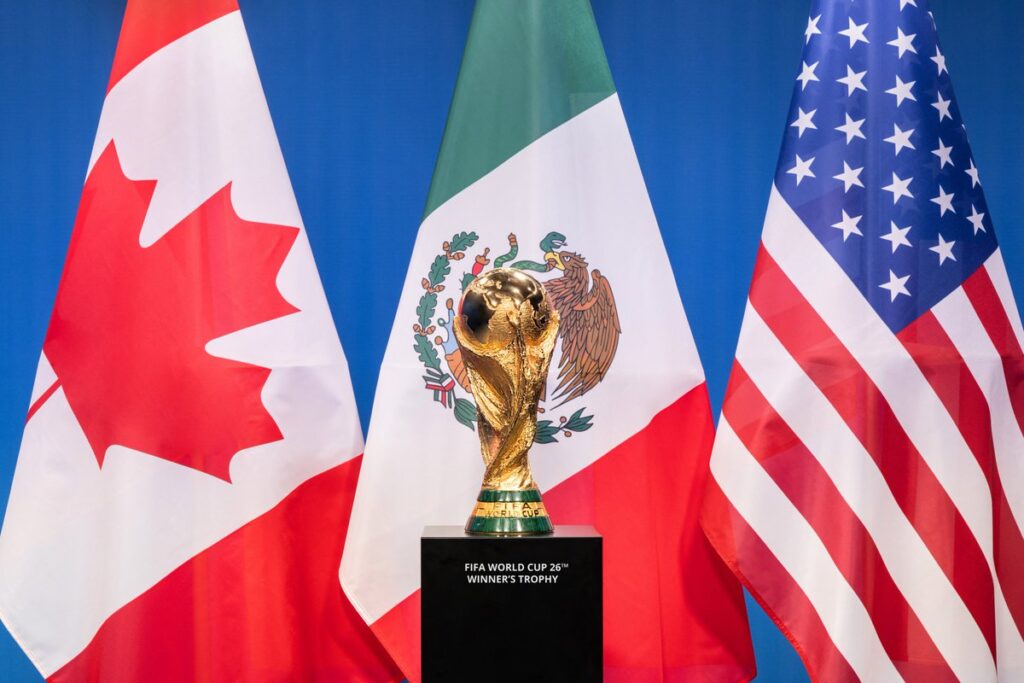
The 2026 FIFA World Cup is unlike any before it. For the first time, three countries Canada, Mexico and the United States are jointly hosting the men’s World Cup, welcoming teams and supporters across 16 host cities. It is also the biggest edition in history, expanding to 48 nations and 104 matches. Mexico opened the tournament in Mexico City. Canada welcomed the world in Toronto and Vancouver. Across the United States, stadiums and cities have become gathering places for supporters carrying the colours, songs and traditions of nations from every continent.
But hosting a World Cup is not simply about what happens inside a stadium. The tournament spills into streets, restaurants, homes, public squares and conversations. It changes the rhythm of everyday life. For a few weeks, a city does not simply host a match. It hosts the world.
Canada Had Something to Believe In
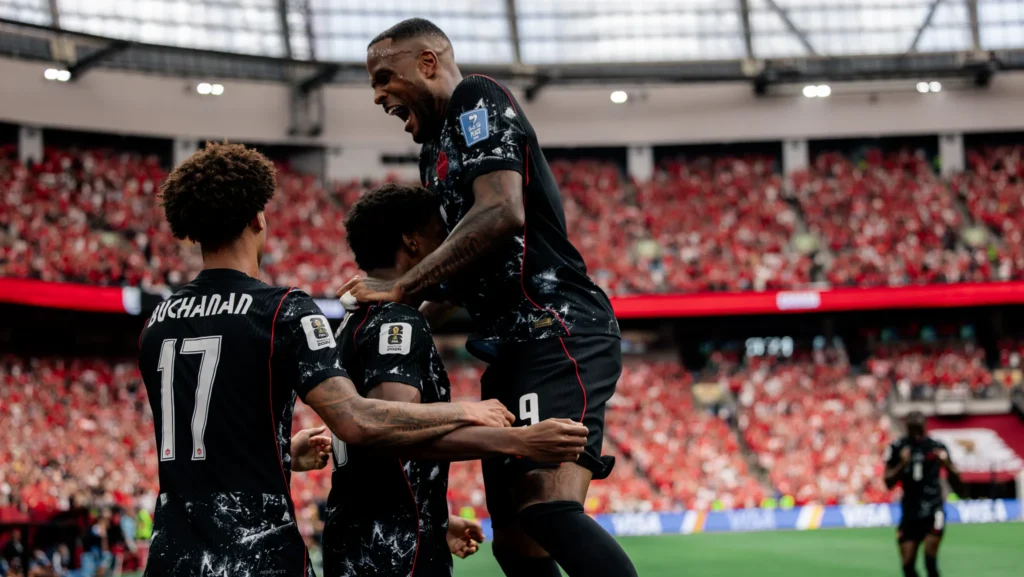
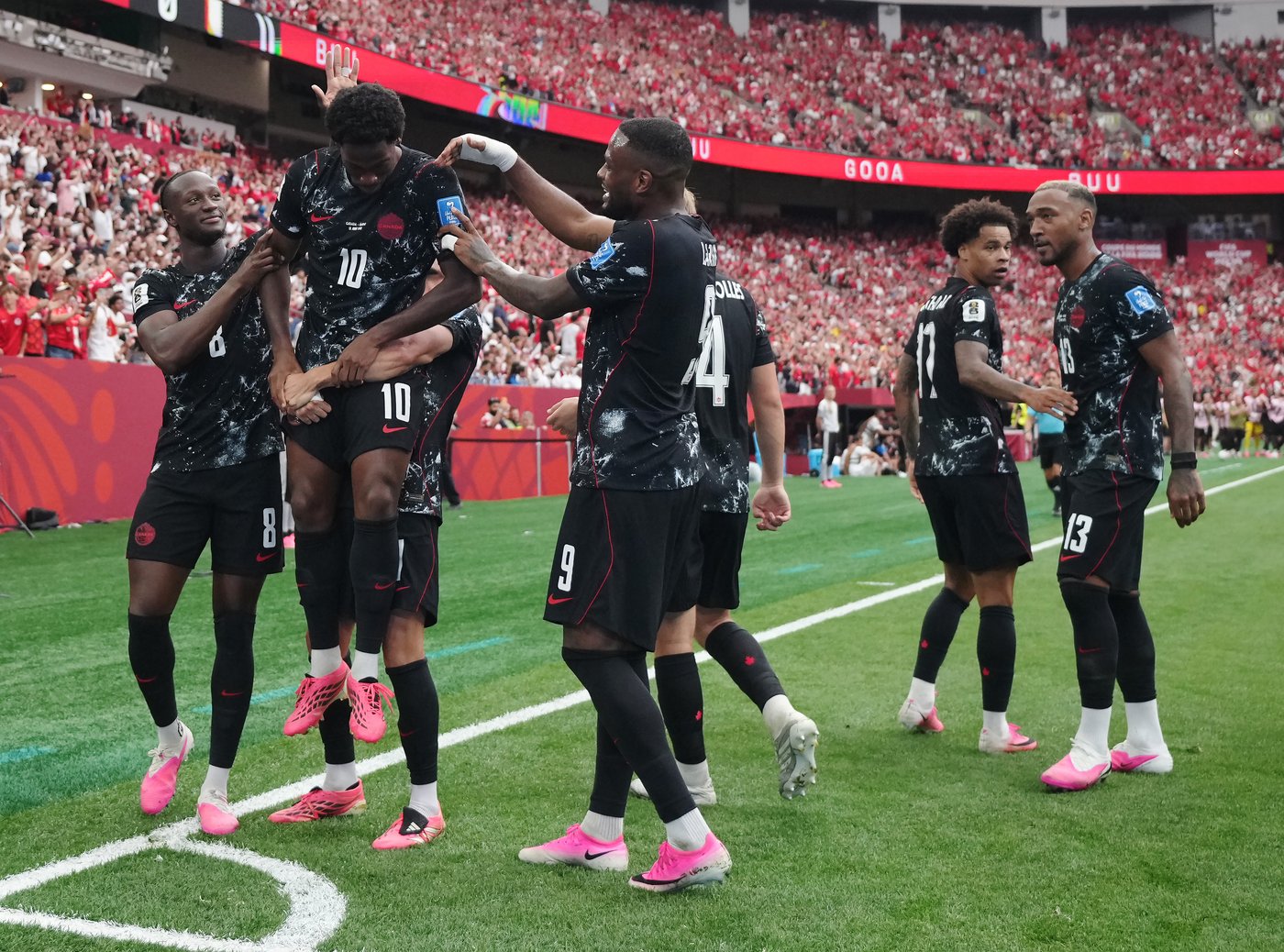
For Canadians, this World Cup became especially personal. Playing on home soil, Canada’s national team advanced from the group stage and then defeated South Africa in the Round of 32, earning a historic place in the Round of 16. Then came Morocco.
Canada’s journey ended with a 3–0 defeat. Still, the result could not erase what the team had achieved or the sense of possibility created by seeing Canada compete on home soil and advance to the knockout rounds. For a country where hockey has long dominated the sporting conversation, the World Cup has brought football into homes and communities in an extraordinary way. And for Canada’s immigrant and diaspora communities, the tournament creates an interesting question:
Who exactly are you supporting?
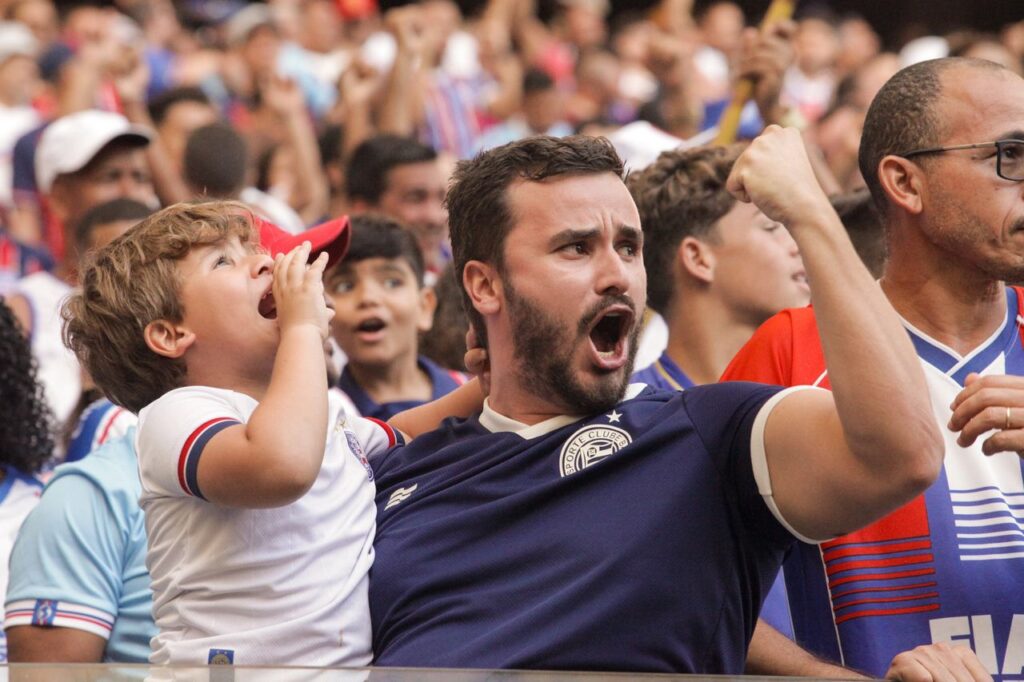
Canada because it is home? Nigeria, Ghana, Morocco, Senegal, Egypt, Algeria, Côte d’Ivoire, DR Congo, Cape Verde or another country because it is where your roots lie? Or perhaps Brazil, because you fell in love with their football as a child?
Argentina because of a favourite player? England because your family has supported them for generations? The answer, for many people, is wonderfully complicated. You can wear Canada’s red today and another country’s colours tomorrow.
That is diaspora life. Sometimes, your heart has more than one national team.
The African Heart of the World Cup
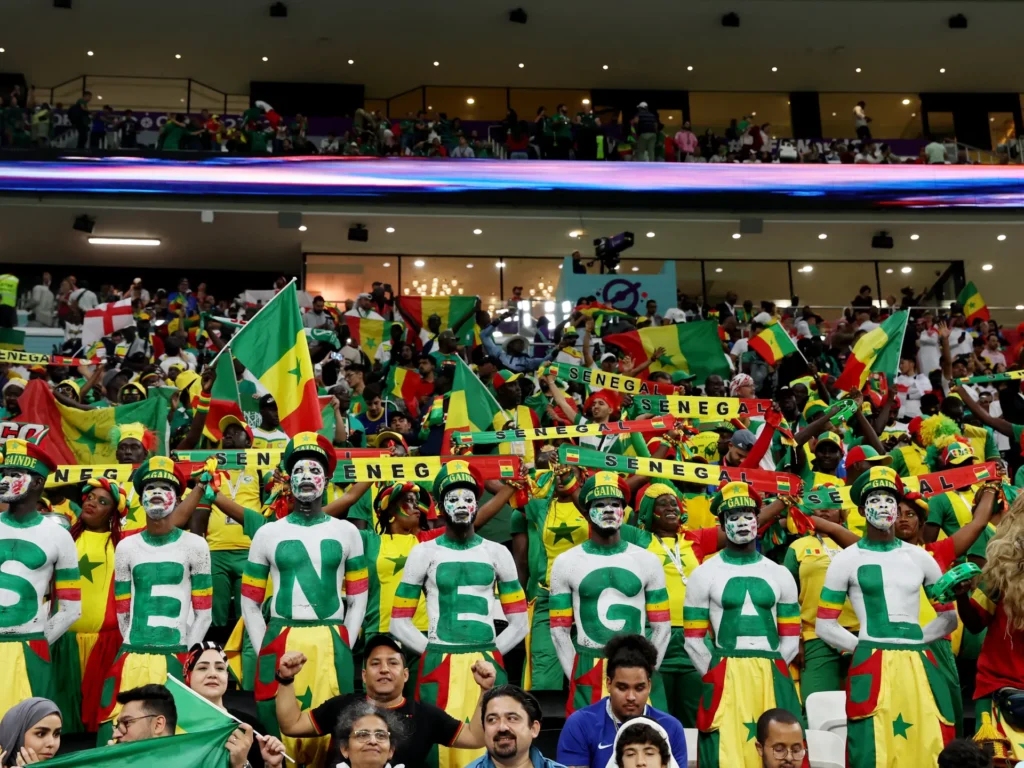
For African football fans, the World Cup carries a particular emotional weight. A single country rarely celebrates its victories. When an African nation makes history, millions across the continent and diaspora often adopt that team as their own. We have seen that spirit throughout football history, and we saw it again as Morocco carried African hopes deep into this year’s tournament before falling to France in the quarterfinals. The African presence at this World Cup has been impossible to ignore.
There have been established football nations, but also stories from countries such as Cape Verde and DR Congo. There have been moments of celebration, heartbreak, pride and the familiar continental debate after every elimination:
“If that were my country, we would have won.”
Of course. Because the World Cup turns all of us into coaches.
The Tournament Reaches the Business End
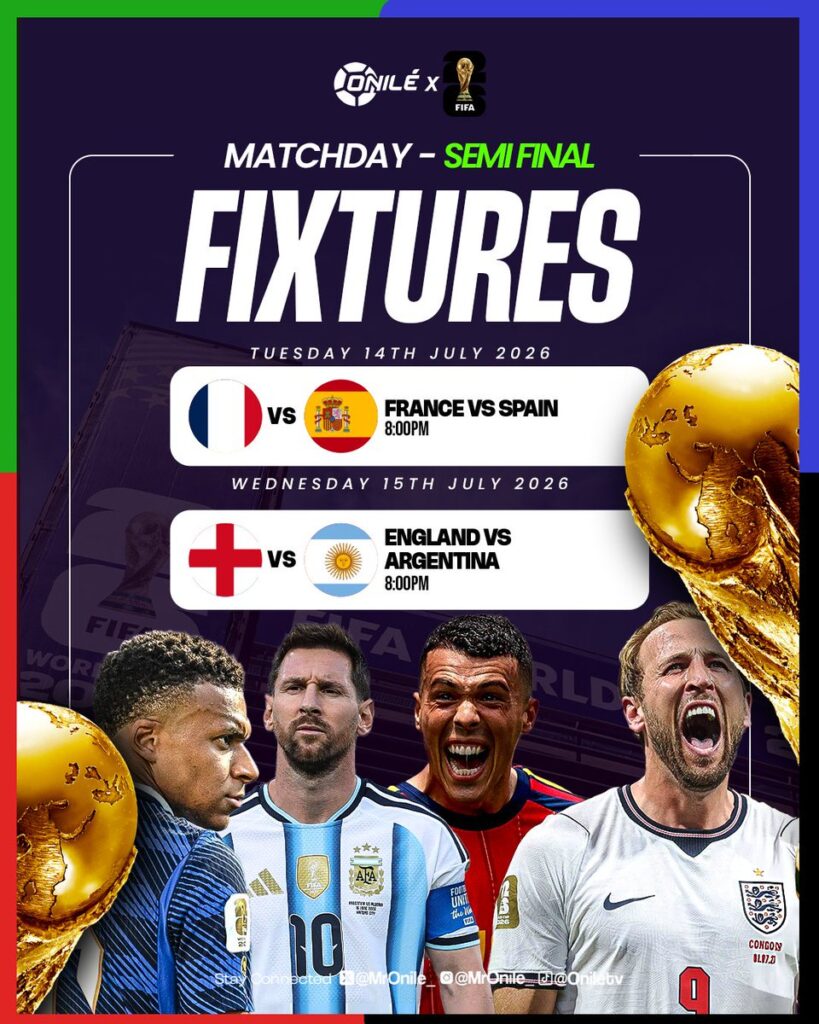
Now, the field has dramatically narrowed. The group stage is over. The new Round of 32 has been played. The Round of 16 brought more heartbreak and surprises. And now, the tournament has reached the quarterfinals, where every mistake becomes more costly, and every goal carries the weight of history.
France has advanced after defeating Morocco. Spain has secured its place in the semifinals after overcoming Belgium. The remaining quarterfinal battles will determine who joins them in the final four. The semifinal stage begins on July 14, and the world champion will be crowned on July 19.
At this point in a World Cup, casual interest becomes obsession. There are no insignificant matches anymore. Every team still standing can see the trophy. Every supporter is calculating possibilities. Every missed penalty can become a lifelong memory. And every goal can change history.
But the Real World Cup Is Not Only in the Stadium
Some of the greatest World Cup moments happen nowhere near the pitch. They happen in the living room where three generations watch together. At the African restaurant, which suddenly has no empty seats. At the barber shop, everyone has an opinion, and nobody agrees.
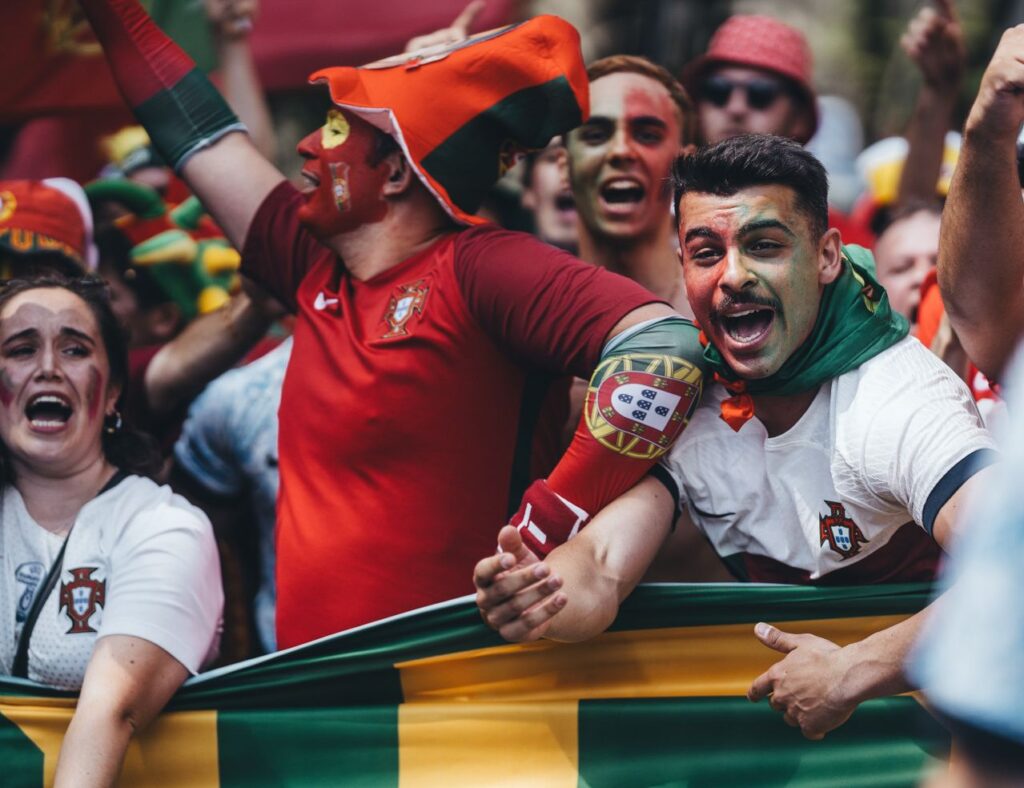
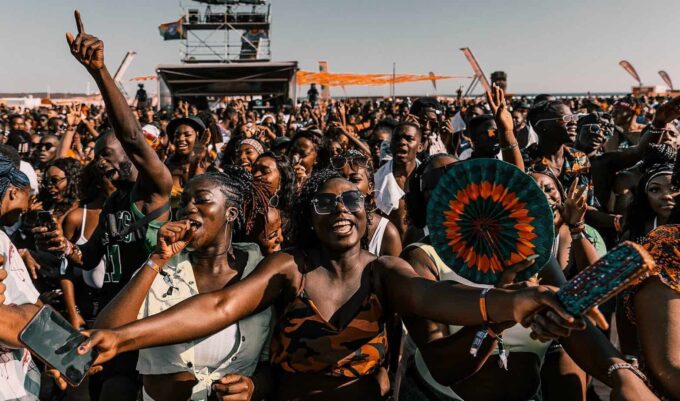
At the fan festival where strangers wearing different jerseys dance together before the match. At work, someone has secretly opened the game on a second screen. In the group chat, one person disappears after their team loses and returns three days later, pretending nothing happened. This is the culture of the World Cup.
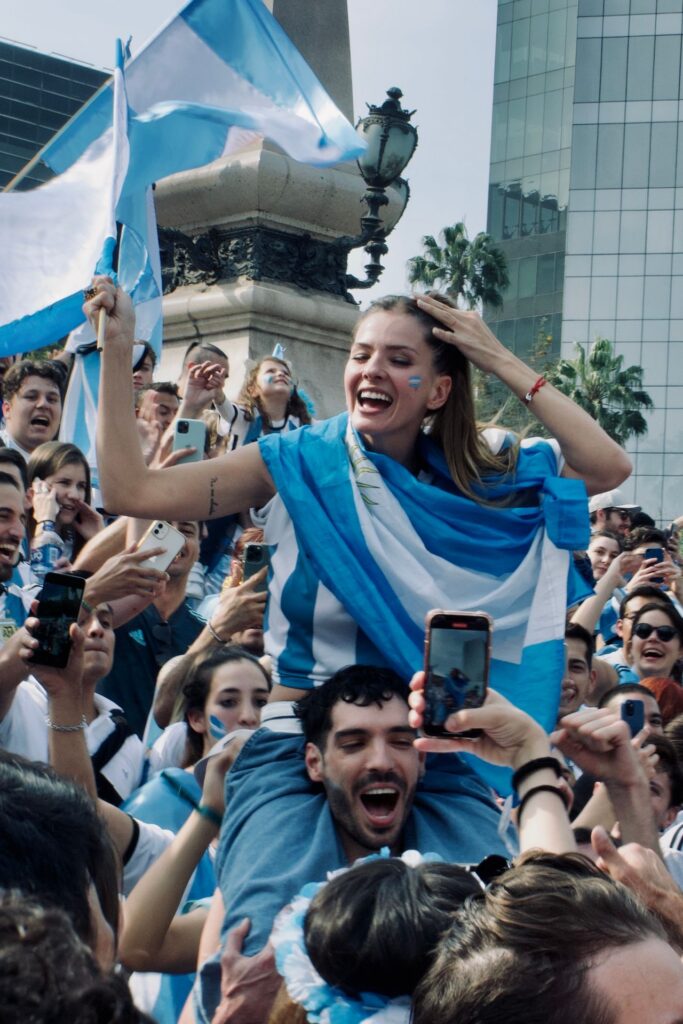
The food. The music. The face paint. The flags. The arguments. The predictions. The memes. The superstitions. The auntie who refuses to watch a penalty because she is convinced she will somehow make the player miss. The uncle who still talks about a match played twenty years ago as though it happened yesterday. Football lives because people give it stories.
When Strangers Become Family
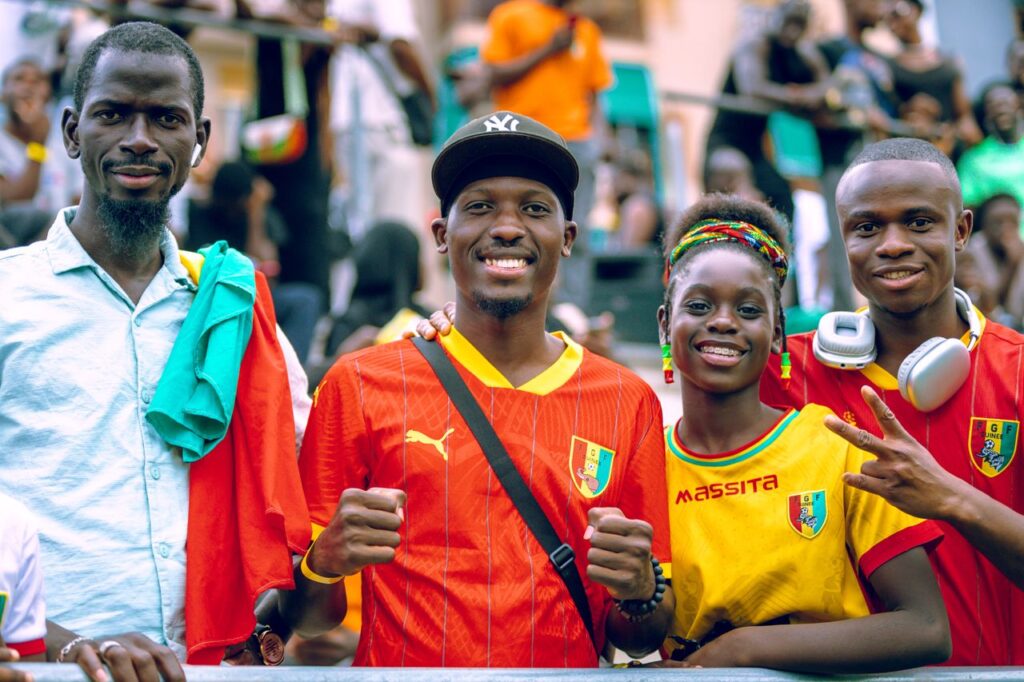
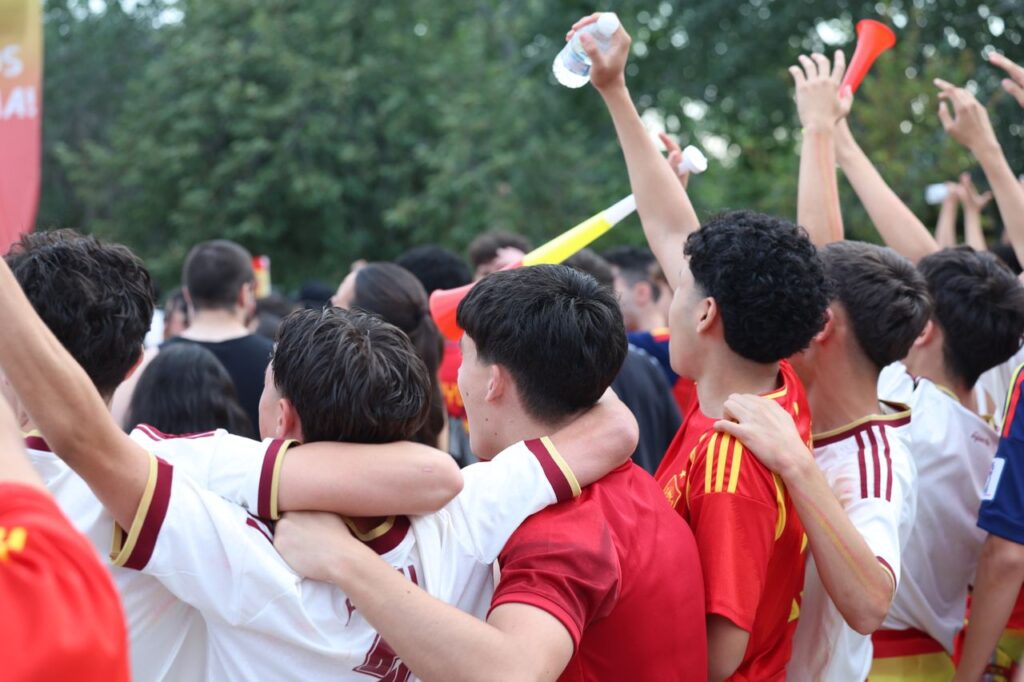
Perhaps the most extraordinary thing about the World Cup is what happens when a goal is scored. For one moment, personal space disappears. People hug strangers. Drinks fly into the air. Someone falls off a chair. A child screams.
A grandmother dances. A grown man cries. And thousands of people who may never meet again share one completely unscripted moment of joy. That is difficult to manufacture. It is why football remains more than entertainment. It permits people to feel something together. This year’s fan festivals have demonstrated that power. In Atlanta alone, one major FIFA Fan Festival reportedly attracted more than 450,000 visitors, bringing together supporters of different countries through football, live music and cultural celebration. Throughout the tournament, stadiums and public spaces have become showcases of migration, multiculturalism, and the complex identities of modern North America.
The jersey may say Argentina, Morocco, Canada, England, France or Spain. But the person wearing it may have been born somewhere else, raised somewhere else and now call another country home. Football understands this. The World Cup understands this. Perhaps that is why diaspora communities understand the World Cup so deeply.
The Sound of a World Cup
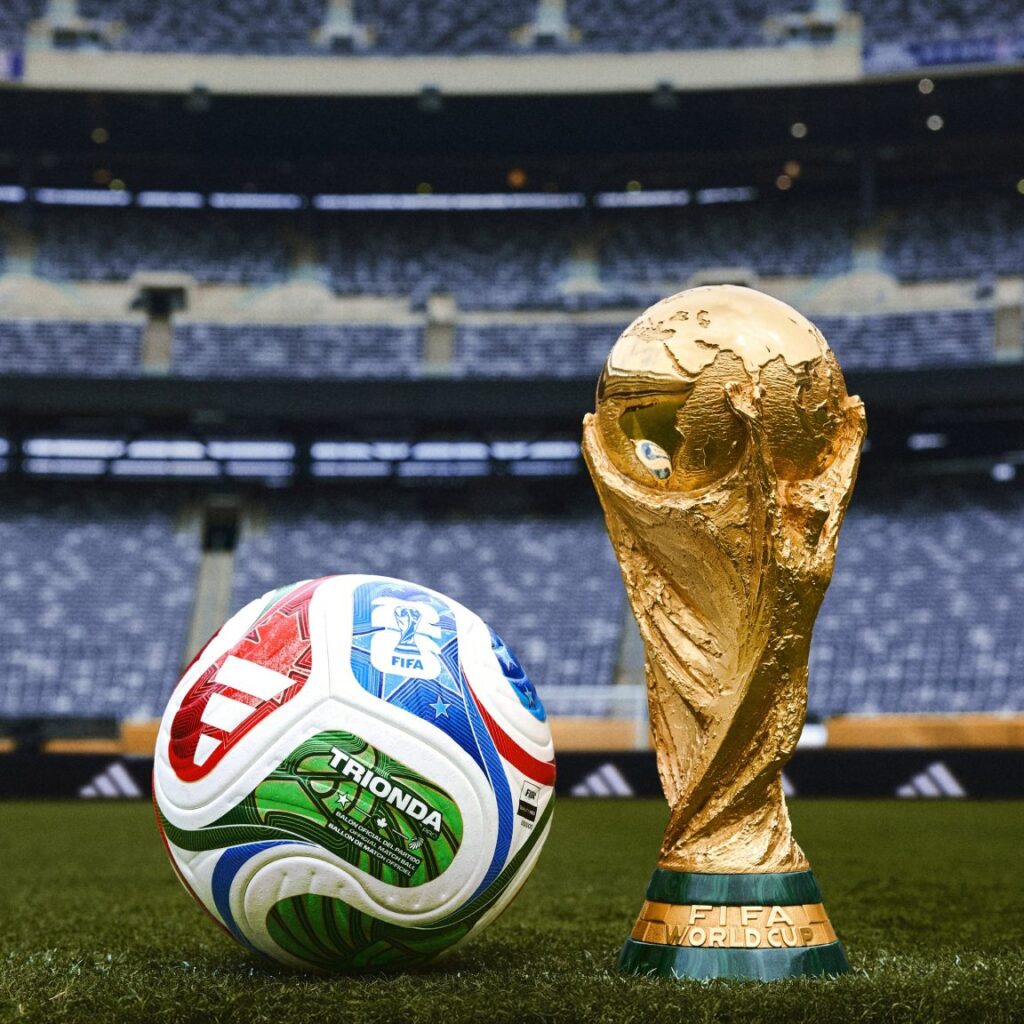
You can often hear a World Cup before you see it. The drums. The chanting. The horns. The songs. The roar when a player breaks towards the goal. The silence before a penalty. The explosion when the ball hits the net. Every country brings its own sound.
African supporters bring rhythms and dances. Latin American fans bring songs passed down through generations. European supporters arrive with chants known by heart. And host communities add their own musical identities to the celebration.
For Afroculture Media, this connection between football, music and culture is particularly powerful. Because football does not exist separately from culture. It travels with music. With fashion.
With food. With language. With identity. With the stories people carry from one country to another. That is also the spirit behind Afroculture.fm: the understanding that sound can connect people who may never have met but somehow recognize the same rhythm.
For 90 Minutes, We All Believe
The truth is that most teams will leave the World Cup disappointed. Forty-seven nations will go home without the trophy. There will be tears. Missed opportunities. Penalties replayed endlessly in people’s minds. Questions about what could have been. But that has never stopped us from believing. Before every match, there is hope. Before every penalty, there is a possibility.
Before every final whistle, there is still time. And perhaps that is why the World Cup resonates far beyond football. Because life itself often asks us to believe before we know the outcome. For 90 minutes, a small country can challenge a giant. For 90 minutes, history can be rewritten. For 90 minutes, millions of people scattered across different continents can feel connected to the same moment. And for 90 minutes, we all believe.
When the Final Whistle Comes
On July 19, one team will lift the World Cup. There will be confetti, tears, celebrations and photographs that become part of football history. Then, slowly, normal life will return. The flags will come down. The jerseys will return to the wardrobes. The group chats will become quieter. People will stop rearranging meetings around kickoff. But something will remain. A goal we will remember. A team that surprised us. A player who became a hero. A moment when we hugged a stranger. A child who watched and decided to start playing football. A story that begins with the words:
“Do you remember the 2026 World Cup?”
And that is the magic of it. The World Cup eventually ends. But its stories never really do.
At Afroculture Media, we believe culture lives wherever people gather, celebrate, remember and tell their stories. And this summer, from Canada to Mexico, the United States, Africa and across the world, football has once again reminded us that sometimes, we do not need to speak the same language to understand one another.
Sometimes, all it takes is a ball, a goal and 90 minutes of belief.
The Conversation Continues
Which team captured your heart at the 2026 World Cup? Were you supporting the country you live in, the country of your roots or both? And what is the one World Cup moment you know you will still be talking about years from now?
Afroculture Media — Empowering Voices. Celebrating Roots.